630.351.4005
info@cogcpa.com

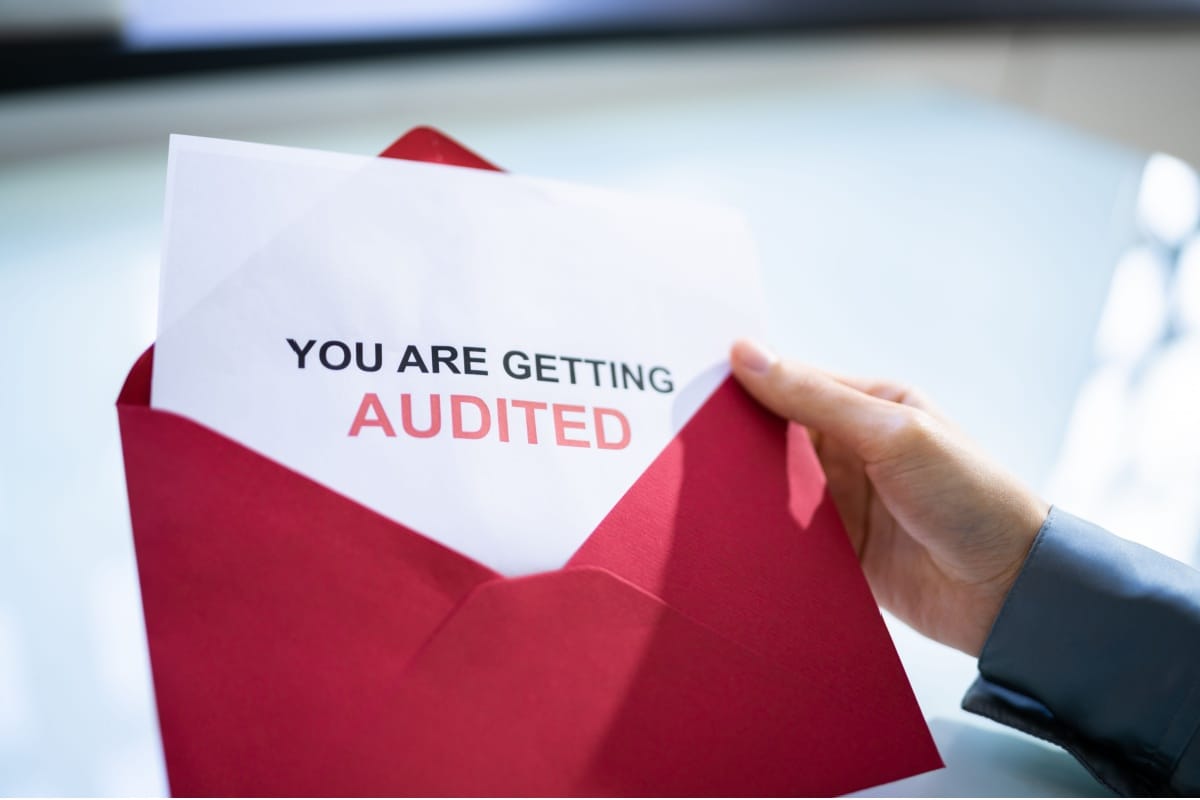
Nobody looks forward to an NFA audit notification landing in their inbox. If you run a CPO, CTA, Introducing Broker, or FCM, you know the drill: a few weeks’ notice (if you’re lucky), followed by regulators picking through every policy, procedure, and transaction record your firm has touched.
The firms that struggle most rarely hide anything sinister. They just haven’t kept their documentation current, or they’ve let small compliance gaps slide because day-to-day operations took priority. One outdated disclosure document or missing supervisory record, and suddenly you’re explaining yourself to examiners instead of running your fund.
An NFA exam doesn’t have to derail your quarter. Firms that treat compliance as an ongoing discipline rather than a pre-audit fire drill tend to breeze through these reviews. We’ve outlined seven best practices below to help you build that kind of operation and face your next NFA audit without panic.
The firms that handle NFA audits well share one trait: They don’t treat compliance like a seasonal project. Their policies live and breathe inside daily operations, not buried in a binder someone dusts off when examiners call.
NFA auditors won’t only ask whether you have written supervisory procedures. They’ll probe whether your team actually follows them. Expect questions about trade approvals, reconciliations, and segregation of duties. Some examiners will ask you to walk them through a transaction’s full life cycle, from order entry to settlement, with documentation at every step.
Your procedures also need to keep pace with your business. Added new technology? Changed your trading strategies? Hired new personnel? Update your policies accordingly. Generic or outdated documents, especially around cybersecurity and information systems, rank among the most common NFA exam findings.
And if a previous audit flagged issues, fix them before the next one. Examiners will check.
Here’s a tool most firms underuse: the NFA’s own Self-Examination Questionnaire. The NFA publishes this checklist specifically to help members spot compliance gaps before examiners do. Yet too many firms treat it like a checkbox exercise they rush through once a year.
Take it seriously instead.
Go line by line through every section, covering registration, disclosures, recordkeeping, ethics training, and AML requirements. Be honest about where you fall short. When you find a gap, fix it immediately and document the correction.
Smart firms don’t limit themselves to one annual review, either. Run through the checklist after any significant business change, new registration, or staff turnover. Some do semiannual reviews as a routine health check.
Think of the questionnaire as your NFA audit road map. Complete it thoroughly before examiners contact you, and you’ll walk into that review knowing exactly where you stand.
Completing that self-exam checklist will expose gaps. Many of them will trace back to the same root cause: missing or disorganized documentation.
NFA audits live and die on paperwork. Examiners will request trading records, financial statements, compliance manuals, investor documents, and communication archives. You need to produce these quickly, sometimes within hours. Regulations require you to retain most records for five years, with the last two years accessible on-site.
Build a recordkeeping matrix that maps every required document type to its storage location and the team member responsible for it. Then create an audit readiness file, either physical or digital, containing your most commonly requested items: policies and procedures, org charts, recent filings, training records, and your completed self-exam questionnaire.
Pay special attention to communications. Regulators have issued billions in fines for off-channel messaging since 2022. NFA examiners will test whether you capture and retain every business conversation.
You’ve organized your records and completed your self-exam. But how do you know your team can actually perform under pressure when NFA examiners start asking questions?
Gather your staff, pull a sample NFA document request list, and simulate the real thing. Time how quickly your team locates each item. Note where people hesitate or come up empty. These gaps become your pre-audit punch list.
Better yet, bring in an outside compliance consultant or former NFA examiner to run the exercise. They know exactly what auditors will probe and can conduct interviews with your senior management and compliance officers. Staff who stumble through practice questions need coaching before the real exam.
That said, a mock NFA audit only works if you act on what it reveals. Treat every finding as urgent. Fix registration issues, update stale policies, and train anyone who couldn’t articulate their supervisory responsibilities clearly.
Your mock audit will surface issues specific to your firm. But why stop there? NFA regularly publishes guidance on the deficiencies they find most often. Learn from other firms’ mistakes before examiners arrive at your door.
Registration gaps lead the pack. Firms routinely miss that a senior executive needs AP registration because they oversee sales staff, or that a remote employee’s home office qualifies as a branch location. Disclosure documents cause trouble too, especially when CPOs and CTAs let them expire or calculate performance without proper backup worksheets.
Training requirements catch firms off guard as well because they seem routine until someone forgets. Ethics training, cybersecurity training, AML testing: each has a deadline, and examiners will ask for proof you met them.
Vendor oversight rounds out the usual suspects. If you outsource compliance, accounting, or technology functions, NFA expects documented due diligence on every provider.
Policies and documentation matter, but NFA examiners will also talk to your people. How your team answers questions and explains procedures shapes the auditor’s impression of your entire operation.
Train everyone who touches regulated activities, not just registered APs. Your operations staff should understand recordkeeping requirements. Your investor relations team needs to know advertising restrictions. Traders must grasp allocation and reporting rules. When examiners ask questions across departments, the answers should align with your written procedures.
Designate a point person, usually your CCO, to coordinate all examiner communications. Assign backups for specific areas: your CFO for financial queries, a senior ops manager for trading questions. Brief them before the audit so they know their lanes.
Coach your team on one major point: never guess. Saying “I’ll get back to you with that information” beats giving a wrong answer every time. Examiners respect honesty far more than confident mistakes.
Finally, a well-trained team can only execute on rules they genuinely know about. NFA requirements evolve constantly, and the compliance program you built last year may already be outdated.
Assign someone, typically your CCO, to monitor NFA Notices to Members and rule changes as they drop. Recent interpretive notices on branch offices and AP supervision caught some firms flat-footed because nobody was watching for updates. When new guidance hits, work it into your procedures immediately.
NFA has also started publishing resources specifically to help members prepare for exams, including guides on common deficiencies. Use them. They’re essentially telling you what examiners will look for.
Know your limits too. Complex questions around new CFTC rules, vendor classifications, or serious compliance lapses often warrant outside expertise. Experienced consultants and legal counsel cost money, but far less than a failed NFA audit or enforcement action down the road.
Nobody throws a party when the NFA audit notification arrives. But the firms that follow these seven practices tend to greet that email with a shrug instead of stress. The difference comes down to mindset. Stop treating compliance as something separate from running the business, get your documentation, training, vendor oversight, and policy updates in order, and the rest takes care of itself. When you build that foundation, examiners won’t uncover surprises because you already know exactly what’s in your files and why it’s there.
Michael Coglianese CPA, P.C. has spent over three decades helping clients such as hedge funds, private equity firms, and commodity trading operations handle exactly these challenges. We offer NFA compliance consulting, mock audit services, and ongoing program support tailored to alternative investment firms like yours. Our team keeps you current on regulatory changes and helps you build the kind of audit-ready operation that makes examiners’ visits uneventful.
Reach out today. Let’s talk about how we can take NFA audit prep off your worry list.



We’re here to serve you as your partner. To get started, fill out this form, and we’ll be in touch with you soon.
Lincolnshire Office
Michael Coglianese
CPA, P.C.
300 Tri State
International
Suite 180
Lincolnshire, Il. 60069
630.351.4005
info@cogcpa.com